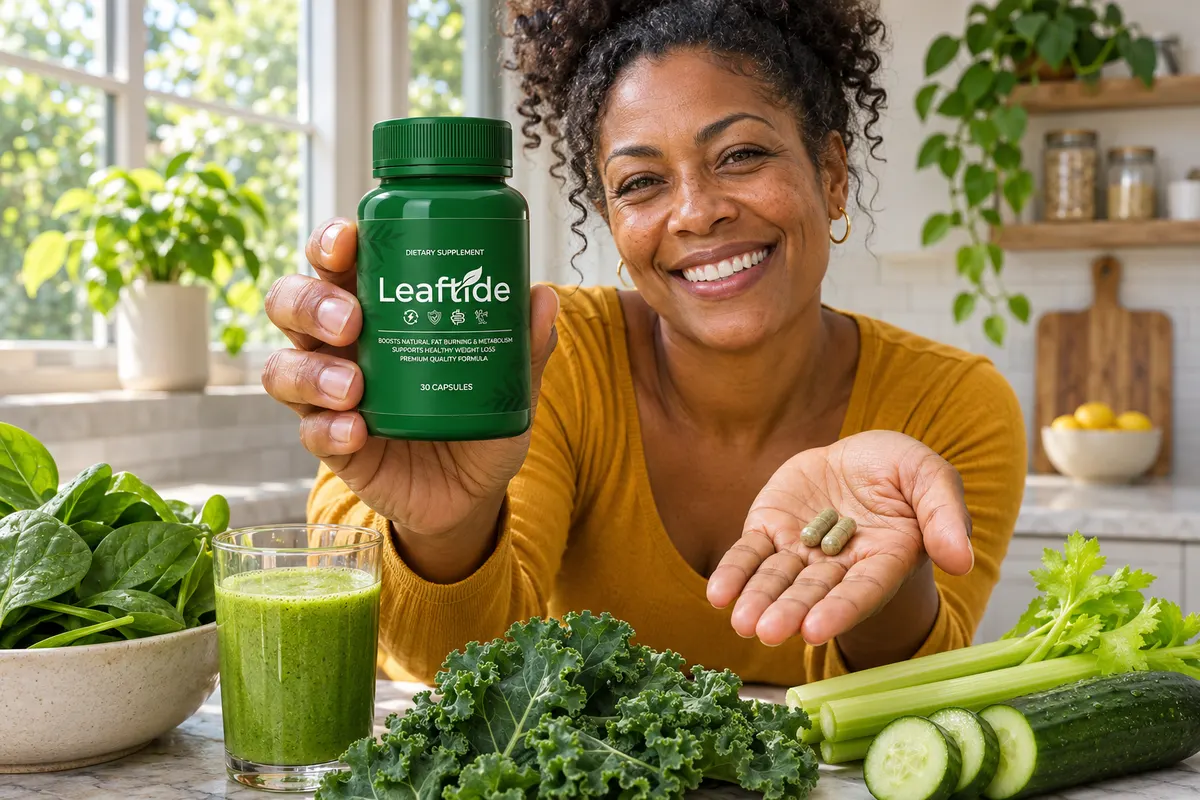
The short answer
The main alternatives to a greens powder are more whole vegetables, homemade smoothies, juicing, frozen greens, a multivitamin and a greens capsule. Whole vegetables are always the foundation. Smoothies and frozen greens are great when you have time to prep; juicing loses most of the fiber; a multivitamin does a different job (measured vitamins and minerals). If what you actually want is a simple daily greens habit without the scoop, shaker or taste, a greens capsule is the most practical swap, and LeafTide is the one we recommend.
Greens powders became popular for a good reason: most of us don't eat enough plants, and a scoop in water feels like an easy fix. But plenty of people find the reality less easy. The taste is grassy, the powder clumps, the shaker needs washing, and the tub sits half-full in the cupboard after three weeks. If that sounds familiar, you're probably wondering what else is out there. Here are the six options people most often consider, what each does well, where it falls short and who it suits best.
First, what are you actually trying to fix?
Before comparing options, name the goal. People reach for a greens powder for one of three reasons:
- "I don't eat enough vegetables." That's most of us: a CDC report found only about 1 in 10 US adults meets the vegetable recommendation (more in how many vegetables you should eat a day).
- "I want a daily wellness habit." A simple, repeatable act each morning that supports gut, metabolism and immunity.
- "I want specific vitamins or minerals." A measured dose of, say, vitamin D or iron, often after a blood test.
Each alternative below is strong for one or two of these goals and weaker for the others. That is why the "best" alternative depends on you.
Alternative 1: More whole vegetables
What it does well. Nothing beats the real thing. Whole vegetables bring volume, fiber, water and a wide range of plant compounds, and they keep you full. Every cup you add moves you toward the guideline.
Where it falls short. It takes shopping, storage, prep and cooking, and it's the first thing to slip on busy weeks. Most people know they should eat more vegetables; the challenge is doing it every single day.
When it makes sense. Always, as the foundation. Everything else on this list is an add-on to a plant-rich plate, not a replacement for it.
Alternative 2: Homemade green smoothies
What it does well. A blender keeps the fiber that juicing removes, and a handful of spinach disappears into fruit, yogurt or nut butter. A well-built smoothie with greens, fruit, protein and some fat can be a satisfying breakfast.
Where it falls short. It takes 10 minutes plus cleanup, ingredients spoil, and fruit-heavy recipes can add more sugar than you expect. Many people make them enthusiastically for two weeks, then stop.
When it makes sense. If you enjoy cooking, work from home and like a drinkable breakfast. Keep the ratio greens-heavy and add protein to stay full.
Alternative 3: Juicing
What it does well. Fresh vegetable juice tastes vibrant and counts toward your vegetable intake. Some people love the ritual.
Where it falls short. A juicer strips out most of the fiber, which is one of the most valuable things vegetables bring, especially for gut health. It's also the most time-consuming option on this list, needs a lot of produce per glass, and fruit-based juices can be high in sugar.
When it makes sense. As an occasional treat or a way to add variety, ideally vegetable-heavy. It's not the most efficient daily habit.
Alternative 4: Frozen vegetables and greens
What it does well. Frozen broccoli, spinach, peas and mixed vegetables are nutritious, affordable, already washed and chopped, and don't go bad in the crisper drawer. A bag in the freezer means a vegetable side in five minutes.
Where it falls short. You still need to cook and plan meals around them. They help dinner a lot, but they don't help a rushed morning.
When it makes sense. For almost everyone. It's the easiest way to raise the vegetable count of your main meals, and it pairs well with any of the other options.
Alternative 5: A multivitamin
What it does well. A multivitamin delivers measured doses of specific vitamins and minerals, clearly listed on the label, and it's quick to take.
Where it falls short. It's built around isolated nutrients, not plant ingredients. It does a different job from a greens supplement, which focuses on botanicals and everyday goals like gut, metabolic and immune support. Many people end up taking both because they solve different problems.
When it makes sense. When your doctor or a blood test points to a specific gap. If you take medication or have a condition, ask your doctor which vitamins and doses fit you.
Alternative 6: A greens capsule
What it does well. It keeps the idea of a greens supplement and removes everything people dislike about the powder: no scoop, no shaker, no taste, no clumps, no mess. One capsule with a glass of water takes two seconds, travels anywhere and slots into any morning routine. That simplicity is exactly what makes a daily habit last.
Where it falls short. A capsule holds less plant material per serving than a big scoop of powder, so it complements your vegetables rather than replacing them, just like every other option here.
When it makes sense. When your real goal is a consistent daily greens habit and the powder routine keeps falling apart. It's the format we recommend for most people, and it's how LeafTide is made.
All six options side by side
| Option | Best at | Main limit | Time per day | Best for |
|---|---|---|---|---|
| Whole vegetables | Fiber, volume, variety | Prep and planning | 20–40 min | Everyone, as the base |
| Green smoothies | Fiber kept, easy greens | Prep, cleanup, sugar creep | 10–15 min | Home cooks, drinkable breakfasts |
| Juicing | Taste, ritual | Fiber removed, slow, costly | 15–25 min | Occasional variety |
| Frozen vegetables | Convenience at dinner | Still needs cooking | 5–10 min | Busy households |
| Multivitamin | Measured vitamins and minerals | Different job, not plant-based | Seconds | Specific nutrient gaps (ask your doctor) |
| Greens capsule | Daily greens habit with zero hassle | Complements, doesn't replace, vegetables | Seconds | Anyone who quit the powder |
The pattern is clear: the options that bring the most plant volume take the most time, and the options that take seconds do a more focused job. The winning combination for most people is real vegetables at meals, frozen greens as a backup, and one effortless daily habit in the morning. Our guide to what a daily greens supplement can (and can't) do goes deeper on that last piece.
Who should talk to a doctor first
If you take blood thinners such as warfarin, keep your intake of leafy greens and greens supplements steady and talk to your doctor before changes, because vitamin K can affect how the medication works. Check with your doctor before any supplement if you take prescription medication, have a digestive or kidney condition, are pregnant or breastfeeding, or are under 18.
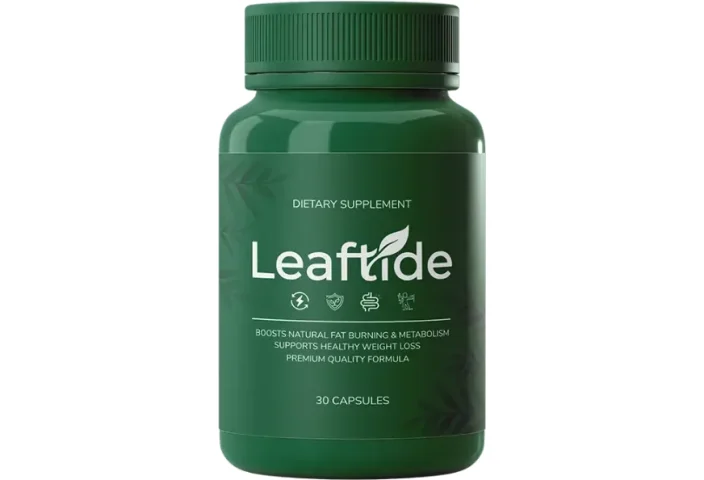
Our recommendation: LeafTide, the greens powder alternative that actually sticks
If the powder routine never lasted for you, LeafTide is the alternative we recommend. It was made for exactly this: a botanical greens supplement in a capsule, taken once a day with a glass of water, built to support your gut, metabolism and immune system together, without any of the mixing, tasting or cleanup that makes powders hard to keep.
- All the habit, none of the hassle. No scoop, no shaker, no grassy taste. Swallow it with water at breakfast and you're done.
- Three goals in one bottle. Gut, metabolic and immune support in a single daily habit.
- Built-in tracking. 30 capsules, 30 days. When the bottle is empty, a full month of your routine is done.
- Travels anywhere. A capsule fits in a bag, a desk drawer or a carry-on, so the habit survives trips and busy weeks.
- Trusted by 28,000+ women, according to the maker.
- Priced for the long game. $54.75 per bottle for 2 bottles, $27.49 per bottle for 4 (most popular) and $19.99 per bottle for 6, all with free shipping. The 90-day money-back guarantee covers three full months.
LeafTide is a dietary supplement that supports a healthy routine; it isn't a medicine and it doesn't replace a varied diet or your doctor's advice. One checkout tip: a "Wellness Club" 7-day trial add-on comes pre-checked, so uncheck it if you don't want it. For the full method and our 4.6/5 verdict, read our LeafTide review, see what LeafTide is and how to take it or start from the LeafTide overview.
Frequently asked questions
What can I take instead of a greens powder?
The main alternatives are eating more whole vegetables, homemade smoothies, juicing, frozen vegetables and greens, a multivitamin, and a greens capsule. Whole vegetables are always the foundation; for a daily supplement habit without mixing or taste, a greens capsule such as LeafTide is the simplest swap.
Are greens capsules as good as greens powder?
They serve the same daily-habit purpose in a different format. A powder holds more plant material per serving but needs mixing and has a taste; a capsule takes two seconds with water and is much easier to keep up every day, which is what a daily routine depends on.
Is a multivitamin the same as a greens supplement?
No. A multivitamin delivers measured doses of specific vitamins and minerals. A greens supplement is built around plant ingredients and everyday goals such as gut, metabolic and immune support. They do different jobs, and some people use both; ask your doctor if you have a specific deficiency.
Is juicing better than a greens powder?
Fresh juice tastes great and counts toward your vegetable intake, but juicing removes most of the fiber, takes time and cleanup, and fruit-heavy juices can carry a lot of sugar. Whole vegetables or blended smoothies keep the fiber.
Can a greens supplement replace vegetables?
No, and it does not need to. Whole vegetables bring volume and fiber no supplement copies. A greens capsule complements a plate of real food and keeps your plant-focused routine going on busy days.
Who should check with a doctor before taking a greens supplement?
Anyone who takes prescription medication, especially blood thinners such as warfarin, has a digestive or kidney condition, is pregnant or breastfeeding, or is under 18 should talk to a doctor first.