
The short answer
Most adults need about 2 to 4 cups of vegetables a day: roughly 2 to 3 cups for most women and 3 to 4 cups for most men, according to the Dietary Guidelines for Americans, plus about 1.5 to 2.5 cups of fruit. Very few people get there: a CDC report found that only about 1 in 10 US adults eats enough vegetables. So if you fall short, you are completely normal, but there is a lot to gain from closing the gap. Start by adding one cup a day, and for an easy daily anchor alongside your plate, LeafTide is the greens capsule we recommend.
"Eat your vegetables" is the oldest advice in the book. But how many is enough? Is a side salad at lunch plenty? Does the lettuce on a burger count? And is it normal that most days you don't come close? Here are the real numbers, what counts as a cup and a simple way to get closer without overhauling your whole diet.
The guideline: how many cups of vegetables a day
US recommendations are given in cup-equivalents per day and depend on your age, sex and activity level. For most adults, the Dietary Guidelines for Americans and the USDA's MyPlate land in these ranges:
| Adults | Vegetables per day | Fruit per day |
|---|---|---|
| Most women | About 2 to 3 cups | About 1.5 to 2 cups |
| Most men | About 3 to 4 cups | About 2 to 2.5 cups |
| More active adults | Toward the top of the range | Toward the top of the range |
The free MyPlate Plan tool at myplate.gov gives you a personal number based on your details. For everyday life, a good rule of thumb is simple: fill half your plate with vegetables and fruit at most meals.
What's "normal"? How many people actually get there
If you read those numbers and thought "I'm nowhere near that," you are in very good company. A CDC report published in 2022, based on 2019 survey data from across the US, found that only about 10% of adults met the vegetable recommendation and about 12% met the fruit recommendation. Most Americans eat well under half the vegetables the guidelines suggest.
So "normal" in the sense of "typical" is falling short. That's the honest picture. The good news is that you don't need to be perfect: every extra cup moves you in the right direction, and the people who do best are the ones who build a small, repeatable daily habit rather than an occasional giant salad.
What counts as a cup of vegetables?
This is where many people undercount, or overcount. One cup-equivalent is:
- 1 cup of raw or cooked vegetables (chopped broccoli, carrots, green beans, peppers).
- 2 cups of raw leafy greens (spinach, lettuce, mixed greens), because they are mostly air and water.
- 1 cup of 100% vegetable juice.
- 1 cup of cooked beans, lentils or peas (these can count as a vegetable or a protein).
- Roughly 1 large tomato, 1 large bell pepper or 1 large sweet potato.
And what usually doesn't add up to much: the lettuce leaf and tomato slice on a sandwich, a spoonful of salsa or the vegetables in a frozen pizza. They are better than nothing, but they are a fraction of a cup.
Why variety matters as much as volume
The guidelines don't just ask for cups; they ask for a mix across the week: dark-green vegetables (spinach, broccoli, kale), red and orange (carrots, tomatoes, sweet potatoes, peppers), beans, peas and lentils, starchy vegetables (potatoes, corn) and "other" vegetables (onions, cucumbers, mushrooms, zucchini). Different plants bring different fibers and plant compounds, and your gut bacteria thrive on that variety. That's one reason a plant-rich routine shows up so often in our daily gut-health habits.
Signs your plate is probably short on plants
- Most meals are beige: bread, pasta, rice, fries, chicken.
- Vegetables appear once a day, as a side, or only on weekends.
- Your digestion is sluggish and you rarely feel "regular."
- You're hungry again soon after meals, because there's little fiber and volume on the plate.
- The same two or three vegetables rotate all year.
None of these is a diagnosis, just a nudge to look at your plate. Persistent digestive changes are always worth a conversation with your doctor.
How to close the gap: one cup at a time
- Add, don't overhaulPick one meal and add one cup of vegetables to it this week. Next week, add another. Small steps stick.
- Breakfast countsSpinach in eggs, tomatoes on toast or a handful of berries gets you started before 9 a.m.
- Keep frozen vegetables on handFrozen broccoli, peas and mixed vegetables are nutritious, cheap and ready in minutes.
- Make soups and sauces do the workA vegetable soup or a pasta sauce with extra peppers and zucchini can hold two cups without much effort.
- Snack on crunchBaby carrots, cucumber, snap peas or cherry tomatoes with hummus.
- Increase graduallyA sudden jump in fiber can mean extra gas for a few days. Go step by step and drink water. (More in our guide to what's normal when you add more greens.)
- Add one daily anchorA once-a-day habit, like a greens capsule with your morning glass of water, keeps the plant-focused routine going even on busy days.
Who should talk to a doctor first
If you take blood thinners such as warfarin, keep your intake of leafy greens steady and talk to your doctor before big changes, because vitamin K affects how the medication works. The same goes for any supplement: check with your doctor first if you take prescription medication, have a digestive or kidney condition, are pregnant or breastfeeding, or are under 18.
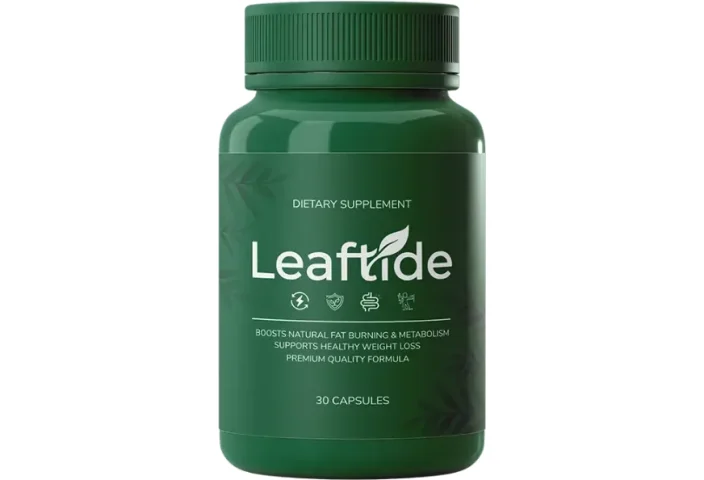
Our recommendation: LeafTide, the easiest daily greens habit
Whole vegetables come first, and every cup you add is a win. To make the habit stick every single day, LeafTide is the option we recommend. It was made for exactly this kind of simple, consistent routine: one botanical greens capsule, once a day with a glass of water, built to support your gut, metabolism and immune system together.
- A daily anchor for your plant routine. On the days your plate is full of color, it rounds things out; on the busy days, your green habit still happens.
- No powder, no taste, no shaker. Swallow it with water at breakfast and you're done.
- Three goals in one bottle. Gut, metabolic and immune support in a single daily habit.
- Built-in tracking. 30 capsules, 30 days. When the bottle is empty, a month of your routine is done.
- Trusted by 28,000+ women, according to the maker.
- Priced for the long game. $54.75 per bottle for 2 bottles, $27.49 per bottle for 4 (most popular) and $19.99 per bottle for 6, all with free shipping. The 90-day money-back guarantee covers three full months.
LeafTide is a dietary supplement that supports a healthy routine; it isn't a medicine and it doesn't replace a varied diet or your doctor's advice. One checkout tip: a "Wellness Club" 7-day trial add-on comes pre-checked, so uncheck it if you don't want it. For the full method and our 4.6/5 verdict, read our LeafTide review, see what LeafTide is and how to take it or start from the LeafTide overview.
Frequently asked questions
How many cups of vegetables should I eat a day?
Under the Dietary Guidelines for Americans, most adults need about 2 to 4 cup-equivalents of vegetables a day: roughly 2 to 3 cups for most women and 3 to 4 cups for most men, depending on age and activity level. MyPlate's online tool gives you a personal number.
How many Americans eat enough vegetables?
Very few. A CDC report published in 2022, based on 2019 survey data, found that only about 1 in 10 US adults (10.0%) met the vegetable recommendation and about 12.3% met the fruit recommendation.
What counts as one cup of vegetables?
One cup of raw or cooked vegetables, one cup of vegetable juice, or two cups of raw leafy greens such as spinach or lettuce each count as one cup-equivalent. A large tomato or a large bell pepper is roughly one cup.
Do potatoes and corn count as vegetables?
Yes. In the US guidelines, potatoes and corn count in the starchy vegetables subgroup. The guidelines also encourage variety across dark-green, red and orange, beans and lentils, starchy and other vegetables over the week, so try not to let fries carry the whole load.
Can a greens supplement replace vegetables?
No, and it doesn't need to. Whole vegetables bring volume, fiber and a wide range of nutrients. A greens supplement such as LeafTide is a simple daily add-on to a plate of real food: one capsule a day that keeps your plant-focused routine going on the days your plate falls short.
Is it possible to eat too many vegetables?
For most healthy adults, eating more vegetables than the guideline is fine, as long as you increase gradually to avoid gas and bloating and drink enough water. If you take blood thinners such as warfarin, keep your intake of leafy greens steady and talk to your doctor before big changes, because vitamin K can affect how the medication works.